Middle East War Escalates: Iran Warns It Could Disrupt Global Oil Supply as Strikes Continue Escala la guerra en Medio Oriente: Irán advierte que podría bloquear el petróleo mundial mientras continúan los ataques

Brickell News | Breaking News
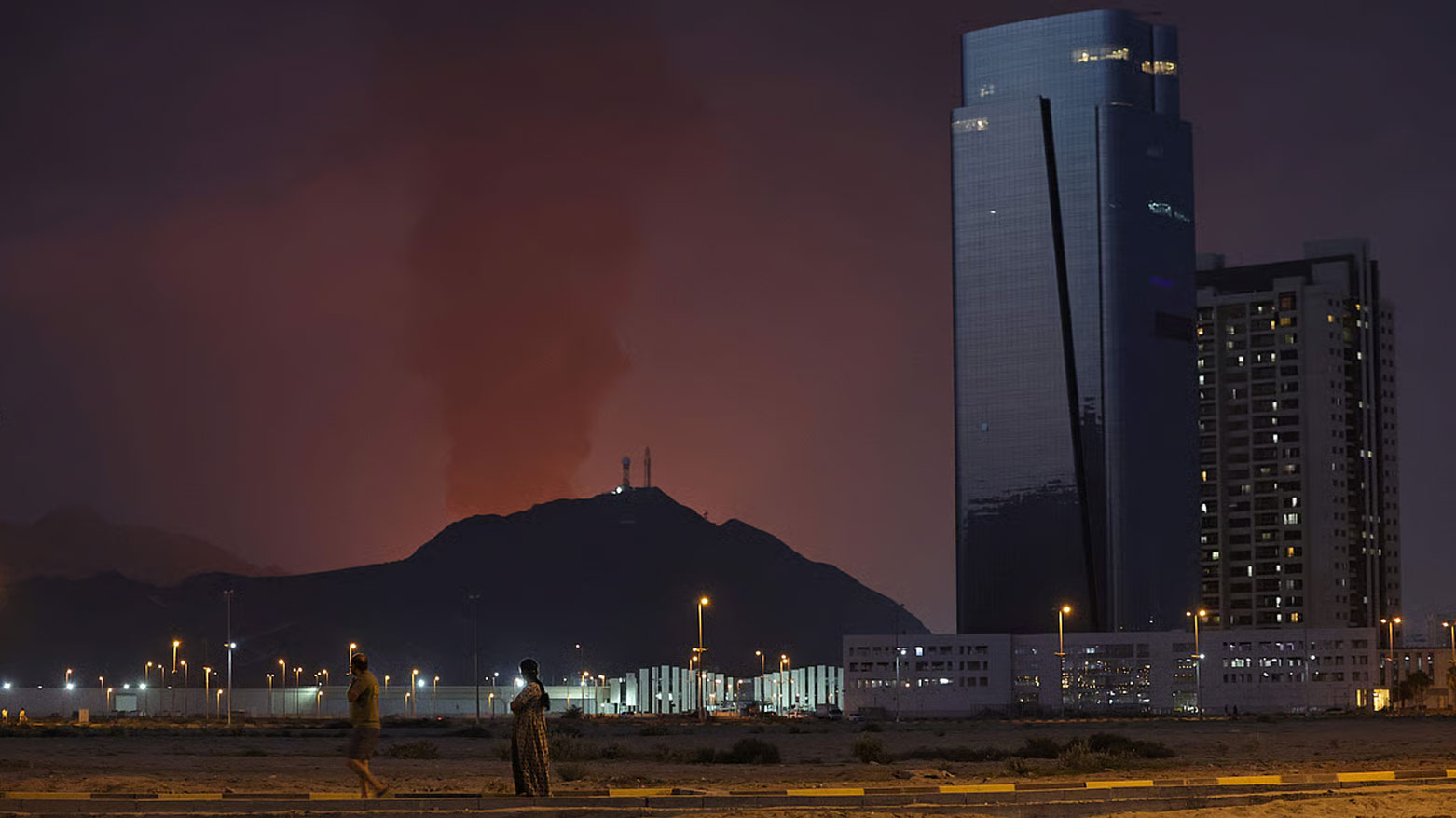
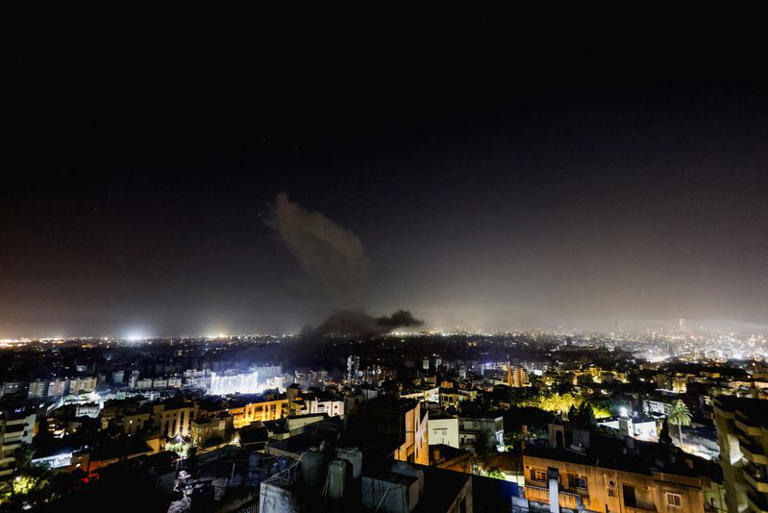
Tensions in the Middle East escalated sharply on Tuesday after Iran warned it could disrupt oil shipments through the Strait of Hormuz, one of the most critical energy routes in the world, as military exchanges between Iran, the United States, and Israel continue to intensify.
The conflict, which has escalated in recent weeks with airstrikes targeting military and energy infrastructure inside Iran, is raising global concerns about the risk of a broader regional war and its potential impact on the global economy.
Iranian officials stated that Tehran will determine when the war ends and warned that the country will respond with stronger military actions if attacks on its territory continue. In response, Israel has intensified its air operations against strategic targets, while the United States maintains a strong military presence in the region.
International reports indicate that missiles and drones have been launched toward several areas in the Persian Gulf, some of which were intercepted by defense systems operated by allied countries.
Impact on global energy markets
One of the biggest concerns among global leaders is the potential disruption of the Strait of Hormuz, a narrow maritime passage through which roughly 20% of the world’s oil supply flows.
Energy analysts warn that any blockade or disruption in this route could trigger a sharp spike in oil prices and cause volatility in global financial markets.
Oil prices have already shown significant fluctuations in recent days as investors react to the growing geopolitical uncertainty.
International concern grows
European governments and international organizations have called for restraint and urged all sides to avoid further escalation that could lead to a wider regional conflict.
Meanwhile, global markets and policymakers continue to monitor developments closely, amid fears that the conflict could expand across the Middle East and disrupt the global energy supply.
Brickell News | Último momento
La tensión en Medio Oriente alcanzó un nuevo nivel este martes luego de que Irán advirtiera que podría bloquear el flujo de petróleo a través del estrecho de Ormuz, una de las rutas energéticas más importantes del mundo, mientras continúan los ataques militares entre fuerzas iraníes, Estados Unidos e Israel.
El conflicto, que se intensificó en las últimas semanas con bombardeos sobre instalaciones militares y energéticas en territorio iraní, ha generado preocupación global por el riesgo de una guerra regional y su impacto en la economía mundial.
Autoridades iraníes afirmaron que Teherán decidirá cuándo terminará el conflicto y que responderá con mayor fuerza si continúan los ataques sobre su territorio. En respuesta, Israel ha intensificado las operaciones aéreas contra objetivos estratégicos, mientras que Estados Unidos mantiene presencia militar en la región.
Según reportes internacionales, en las últimas horas se registraron lanzamientos de misiles y drones hacia distintos puntos del Golfo Pérsico, algunos de los cuales fueron interceptados por sistemas de defensa de países aliados en la región.
Impacto en el mercado energético
Uno de los mayores temores de la comunidad internacional es el posible cierre o interrupción del estrecho de Ormuz, por donde transita aproximadamente el 20% del petróleo que se consume en el mundo.
Analistas energéticos advierten que cualquier bloqueo en esta vía marítima podría provocar una fuerte subida en los precios del petróleo y generar volatilidad en los mercados financieros globales.
De hecho, los precios del crudo han mostrado fuertes fluctuaciones en los últimos días, reflejando la incertidumbre que genera la escalada militar.
Preocupación internacional
Gobiernos europeos y organismos internacionales han pedido moderación y han instado a las partes a evitar una escalada que pueda derivar en un conflicto regional más amplio.
Mientras tanto, la comunidad internacional sigue de cerca la evolución de los acontecimientos, ante el temor de que la guerra pueda extenderse a otros países del Medio Oriente y afectar el suministro energético mundial.