Iran’s New Supreme Leader Issues First Message, Warns Strait of Hormuz Could Remain Closed El nuevo líder supremo de Irán advierte que el estrecho de Ormuz podría permanecer cerrado

TEHRAN — Iran’s newly appointed Supreme Leader, Mojtaba Khamenei, delivered his first public message since assuming the country’s highest political and religious authority following the death of his father, Ali Khamenei.
The message, read on Iranian state television, outlined a series of warnings directed at the United States, Israel, and countries in the Persian Gulf hosting American military bases.
The younger Khamenei has not appeared publicly since his appointment, which came after reports that his father died in attacks carried out by the United States and Israel.
Strait of Hormuz Warning
In the message, Mojtaba Khamenei warned that Iran could keep the strategic Strait of Hormuz closed as a “tool of pressure.”
The narrow waterway is one of the world’s most important energy shipping routes, with a significant portion of global oil exports passing through the strait each day.
Any disruption to maritime traffic in the corridor could have immediate consequences for global energy markets and international trade.
Threats Toward U.S. Military Bases
Khamenei also stated that Iran would continue attacking American military bases located in Gulf countries unless those facilities are shut down.
While emphasizing that Iran believes in maintaining “friendship” with neighboring countries, he warned that military installations hosting U.S. forces would remain targets.
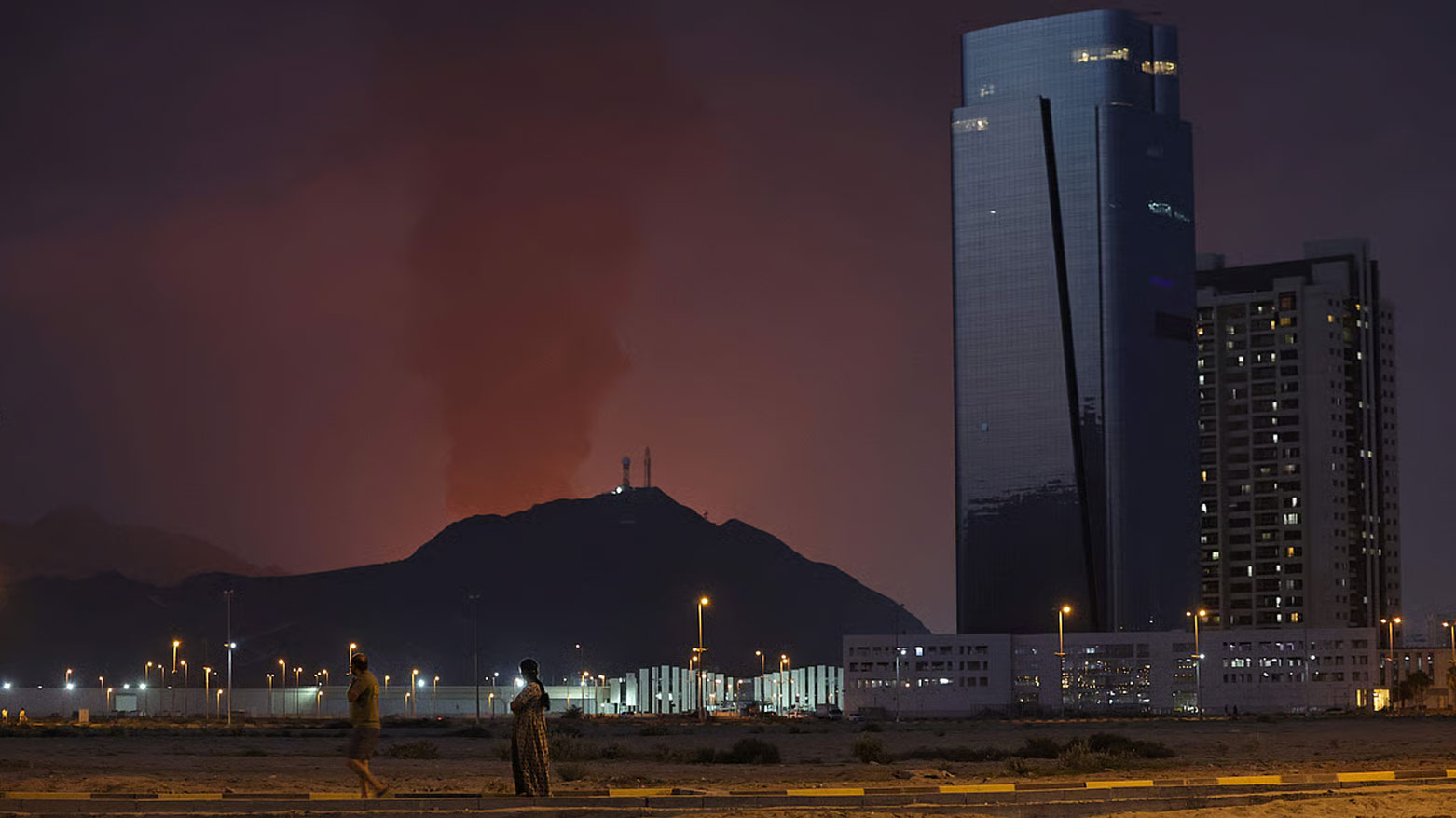
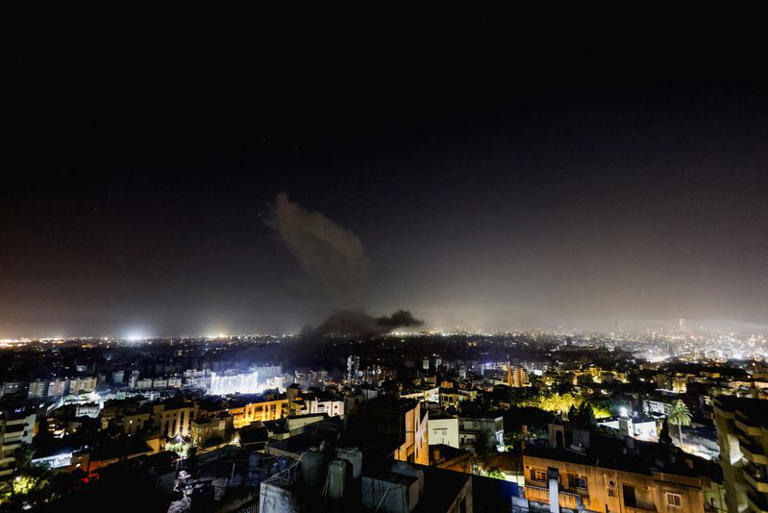
Recent weeks have already seen attacks in the region affecting both civilian infrastructure and oil-related facilities.
Demand for Compensation
The new leader also demanded that the United States and Israel pay what he described as “compensation” for their actions, referring to both nations simply as “the enemy.”
Praise for Regional Allies
In his address, Khamenei praised groups aligned with Iran across the region, calling them part of the “resistance front.”
He specifically mentioned the Hezbollah in Lebanon, the Houthis in Yemen, and pro-Iranian militias in Iraq, describing them as Iran’s “best friends” and encouraging them to continue fighting.
Tribute to His Father
Part of the speech was dedicated to honoring his father and predecessor, Ali Khamenei, whom he described as a symbol of strength and resilience.
“I had the honor of seeing his body after his martyrdom,” Mojtaba Khamenei said in the message broadcast on state media.
Reference to School Attack
Khamenei also referenced a deadly attack on the Shajareh Tayyiba school in Minab, which Iranian state media say killed at least 168 children and 14 teachers.
“We will be especially sensitive about the blood of our children,” he said, while vowing retaliation.
Rising Regional Tensions
The message signals a potential escalation in tensions across the Middle East, particularly around the Persian Gulf and key global energy routes.
Security analysts warn that any prolonged disruption in the Strait of Hormuz could have significant economic consequences worldwide.
More developments are expected as the situation unfolds.
TEHERÁN — El nuevo líder supremo de Irán, Mojtaba Khamenei, emitió su primer mensaje público desde que asumió el cargo más alto del país tras la muerte de su padre, Ali Khamenei.
El mensaje fue leído en la televisión estatal iraní y estuvo marcado por advertencias dirigidas a Estados Unidos, Israel y a los países del Golfo que albergan bases militares estadounidenses.
Mojtaba Khamenei no ha aparecido públicamente desde su nombramiento, ocurrido después de que se informara que su padre murió tras ataques atribuidos a Estados Unidos e Israel.
Advertencia sobre el estrecho de Ormuz
En su mensaje, Khamenei advirtió que Irán podría mantener cerrado el estratégico Estrecho de Ormuz como una “herramienta de presión”.
Este estrecho es una de las rutas marítimas más importantes del mundo para el transporte de petróleo, ya que una gran parte de las exportaciones globales de crudo pasa diariamente por este corredor.
Cualquier interrupción en el tránsito marítimo en esta zona podría tener consecuencias inmediatas en los mercados energéticos internacionales y en el comercio global.
Amenaza a bases militares de Estados Unidos
Khamenei también afirmó que Irán continuará atacando bases militares estadounidenses ubicadas en países del Golfo si estas no se cierran.
Aunque señaló que Teherán cree en la “amistad” con los países vecinos, advirtió que las instalaciones militares que albergan fuerzas estadounidenses seguirán siendo objetivos.
En las últimas semanas se han registrado ataques en la región contra objetivos civiles y contra instalaciones vinculadas a la industria petrolera.
Exigencia de compensación
El nuevo líder supremo también exigió que Estados Unidos e Israel paguen una “compensación” por sus acciones, refiriéndose a ambos países únicamente como “el enemigo”.
Elogio a aliados regionales
Durante su discurso, Khamenei elogió a grupos aliados de Irán en la región, a los que llamó el “frente de resistencia”.
Mencionó específicamente al grupo libanés Hezbollah, a los rebeldes Houthis en Yemen y a milicias proiraníes en Irak, a quienes calificó como “los mejores amigos” de Irán e instó a continuar combatiendo.
Homenaje a su padre
Parte del mensaje estuvo dedicado a honrar a su padre y predecesor, Ali Khamenei, a quien describió como un símbolo de fortaleza.
“Tuve el honor de ver su cuerpo después de su martirio”, afirmó durante el mensaje transmitido por los medios estatales.
Referencia al ataque contra una escuela
El nuevo líder también mencionó el ataque contra la escuela Shajareh Tayyiba en la ciudad de Minab, que según medios estatales iraníes dejó al menos 168 niños y 14 maestros muertos.
“Seremos especialmente sensibles con la sangre de nuestros niños”, afirmó mientras prometía represalias.
Crece la tensión en Medio Oriente
El mensaje del nuevo líder supremo se produce en medio de una creciente tensión en Medio Oriente, especialmente en torno al Golfo Pérsico y a las rutas energéticas globales.
Analistas advierten que un cierre prolongado del estrecho de Ormuz podría tener importantes consecuencias económicas para los mercados energéticos internacionales.
Se esperan más reacciones internacionales a medida que evolucione la situación.