
Carnegie Mellon Set to Transform Wynwood with Multibillion-Dollar Investment: Housing and Transportation Remain Key Challenges Carnegie Mellon transformará Wynwood con una inversión multimillonaria: vivienda y transporte, entre los grandes desafíos
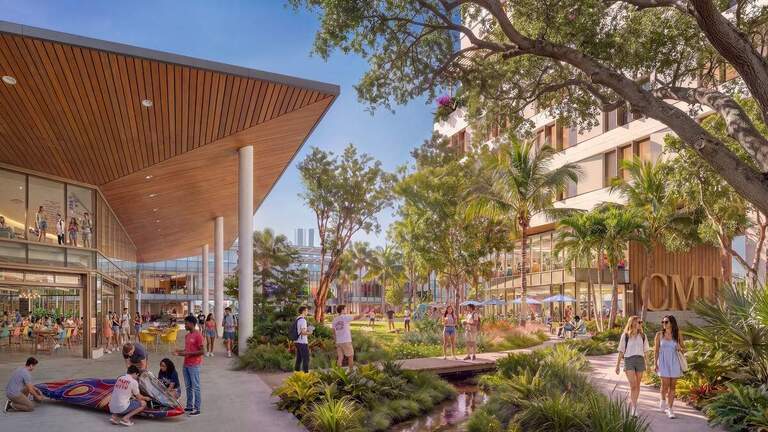
MIAMI, FLORIDA — Wynwood is preparing for a new chapter of transformation as Carnegie Mellon University plans to establish a major campus in the heart of the neighborhood. Backed by billionaire Ken Griffin, the ambitious project is expected to boost economic growth, attract real estate investment, and strengthen Miami’s growing reputation as a technology and innovation hub.
The development includes a $2 billion investment to create a 35-acre campus featuring classrooms, research laboratories, and student housing. Its arrival could spark a wave of new offices, restaurants, hotels, and residential developments, further reshaping one of Miami’s fastest-evolving neighborhoods.
However, the project also raises important questions about two challenges already facing Wynwood: affordable housing and public transportation.
Real estate developers, architects, and urban planners believe Carnegie Mellon’s presence could attract significant additional investment. At the same time, the expected influx of students, faculty, and employees could put more pressure on housing availability, rental prices, and transportation infrastructure.
A Historic Investment in Miami
The project is being made possible through billionaire Ken Griffin, founder of Citadel, who purchased the Mana Wynwood property for $1.1 billion.
The site, widely known for hosting festivals, conferences, exhibitions, and major events, will be donated to Carnegie Mellon University as part of Griffin’s $3 billion philanthropic commitment.
Of that amount, $2 billion will support the development of the new Miami campus, while another $1 billion will benefit Carnegie Mellon’s main campus in Pittsburgh.
The contribution represents Griffin’s largest charitable donation and has been described as the largest individual gift ever made to a university.
Moishe Mana, the billionaire entrepreneur who sold the property, expressed confidence in the project and said he believes the land is now in better hands.
“Ken brought an incredible vision. He’s doing a great job for the city,” Mana told the Miami Herald.
Thousands of Students Expected to Arrive in Wynwood
The university expects its first students to enroll in Miami in 2028, with construction scheduled to begin the preceding year.
Once fully developed, the campus is expected to accommodate more than 3,500 undergraduate and graduate students, along with approximately 300 faculty members and 600 employees.
With a strong focus on technology, the university could create new opportunities for collaboration between academic institutions, startups, established companies, and Miami’s expanding innovation sector.
The development is also expected to increase demand for housing, dining, retail, and other services throughout the surrounding area.
Housing and Transportation at a Crossroads
While the project has generated enthusiasm among developers and business leaders, it also highlights growing concerns about whether Wynwood’s infrastructure can keep pace with rapid development.
The arrival of thousands of students and university employees could significantly increase demand for apartments, student residences, and affordable housing in a neighborhood already experiencing substantial real estate growth.
Urban planners and industry professionals emphasize the importance of expanding housing options and improving public transportation connections to accommodate the expected population increase.
Without adequate planning, the campus could intensify existing challenges involving traffic congestion, rising housing costs, and accessibility.
However, some developers believe the university’s arrival could also encourage much-needed investment in transportation improvements and new residential projects.
A New Era for Wynwood
Once recognized primarily for its colorful murals, art galleries, and cultural attractions, Wynwood has steadily evolved into a major destination for businesses, investors, and residential development.
Carnegie Mellon’s arrival could accelerate that transformation, positioning the neighborhood as an important center for higher education, technology, and innovation in South Florida.
The challenge will be ensuring that this historic investment benefits not only developers and major corporations but also residents, workers, and students who will be part of Wynwood’s future.
Wynwood is entering a new era of growth. The question now is whether its housing market, transportation network, and infrastructure will be able to keep up with its expanding ambitions.
MIAMI, FLORIDA. — Wynwood se prepara para una nueva etapa de transformación con la llegada de un campus de la prestigiosa Universidad Carnegie Mellon, un proyecto respaldado por el multimillonario Ken Griffin que promete impulsar el desarrollo económico, inmobiliario y tecnológico de uno de los vecindarios más dinámicos de Miami.
La iniciativa contempla una inversión de 2,000 millones de dólares para desarrollar un campus de 35 acres que incluirá aulas, laboratorios de investigación y residencias estudiantiles. Su llegada podría atraer nuevas empresas, oficinas, restaurantes, hoteles y proyectos residenciales, consolidando a Wynwood como un importante centro de innovación.
Sin embargo, el crecimiento también plantea interrogantes sobre dos de los principales desafíos que enfrenta la zona: la disponibilidad de viviendas asequibles y la necesidad de mejorar el transporte público.
Promotores inmobiliarios, arquitectos y urbanistas consideran que la presencia de Carnegie Mellon podría desencadenar una nueva ola de inversiones. No obstante, advierten que el aumento de estudiantes, profesores y trabajadores también podría incrementar la presión sobre el mercado inmobiliario y la infraestructura del vecindario.
Una inversión histórica para Miami
El proyecto es posible gracias al empresario Ken Griffin, fundador de Citadel, quien adquirió por 1,100 millones de dólares los terrenos de Mana Wynwood, un conocido espacio que ha acogido festivales, conferencias y exposiciones.
Griffin donará la propiedad a Carnegie Mellon como parte de un compromiso filantrópico valorado en 3,000 millones de dólares. De esa cantidad, 2,000 millones estarán destinados al nuevo campus de Miami y otros 1,000 millones beneficiarán a la sede principal de la universidad en Pittsburgh.
La operación representa la mayor donación realizada por Griffin y, según lo anunciado, la contribución individual más grande recibida por una universidad.
Moishe Mana, empresario multimillonario y anterior propietario de los terrenos, expresó su respaldo al proyecto y aseguró que la propiedad está ahora en mejores manos.
"Ken aportó una visión increíble. Está haciendo un gran trabajo por la ciudad", declaró Mana en una entrevista con el Miami Herald.
Miles de estudiantes llegarán a Wynwood
Los planes contemplan que los primeros estudiantes comiencen sus estudios en Miami en 2028.
A largo plazo, el campus podría recibir a más de 3,500 estudiantes de pregrado y posgrado, además de contar con aproximadamente 300 profesores y 600 empleados.
La universidad tendrá un enfoque tecnológico, lo que podría fortalecer la conexión entre el mundo académico, las empresas emergentes y el creciente sector de innovación del sur de Florida.
El reto de la vivienda y la movilidad
Aunque el proyecto genera expectativas positivas para la economía local, también abre el debate sobre cómo Wynwood podrá absorber este crecimiento.
La llegada de miles de personas podría aumentar la demanda de apartamentos, residencias estudiantiles y servicios, en un vecindario que ya ha experimentado una importante transformación inmobiliaria.
Especialistas del sector destacan que será fundamental ampliar las opciones de vivienda asequible y fortalecer las conexiones de transporte público para evitar que el crecimiento complique aún más la movilidad y el acceso a la vivienda.
Al mismo tiempo, algunos desarrolladores consideran que el nuevo campus podría convertirse en un incentivo para atraer inversiones precisamente en esas áreas.
Wynwood frente a una nueva transformación
Conocido durante años por sus murales, galerías de arte y actividad cultural, Wynwood ha evolucionado hasta convertirse también en un destino para empresas, inversionistas y nuevos desarrollos residenciales.
La llegada de Carnegie Mellon podría acelerar todavía más esa transición y posicionar al vecindario como un referente educativo y tecnológico.
El gran desafío será lograr que esta inversión histórica no solo beneficie a las empresas y al mercado inmobiliario, sino que también contribuya a mejorar la calidad de vida de quienes estudian, trabajan y residen en la zona.
Wynwood está a las puertas de una nueva transformación. La pregunta es si su infraestructura, su transporte y su oferta de vivienda podrán crecer al mismo ritmo que sus ambiciones.