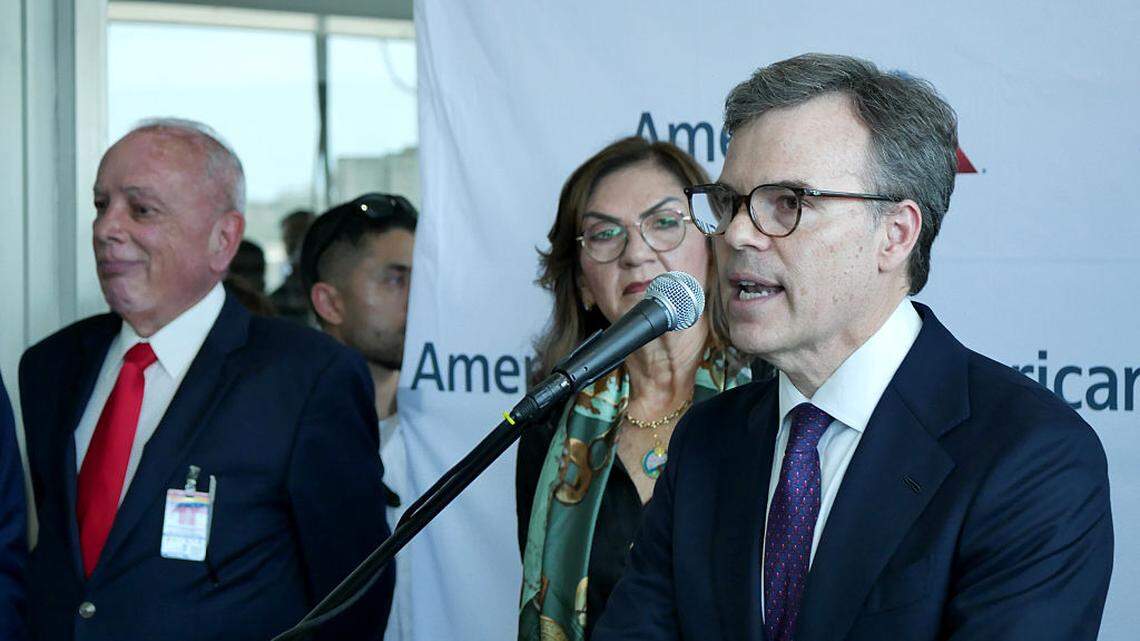
Cuba Accepts $100 Million U.S. Humanitarian Aid Package Amid Deepening Energy Crisis and Fuel Shortages Cuba acepta ayuda humanitaria de EE.UU. por US$100 millones en medio de una severa crisis energética y escasez de combustible
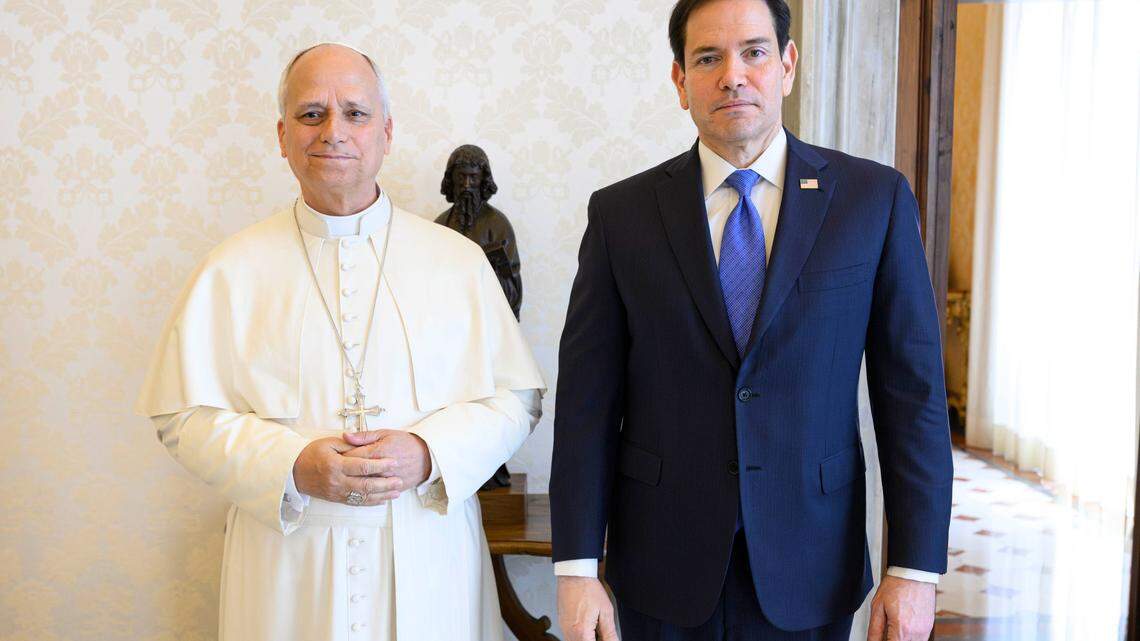
The government of Miguel Díaz-Canel takes an unexpected turn by accepting American assistance as the island faces blackouts, protests, and an increasingly severe economic collapse.
HAVANA — In a move underscoring the growing fragility of Cuba’s economy, the government of Miguel Díaz-Canel confirmed it will accept a $100 million humanitarian aid package from the United States, a decision that comes amid an unprecedented energy crisis, prolonged blackouts, and an economy nearing collapse.
The assistance, promoted by the administration of Donald Trump, is expected to focus on urgent needs including fuel, food, and medicine, according to official statements and reports detailing the rapid deterioration of living conditions on the island.
U.S. Secretary of State Marco Rubio revealed earlier this week that Washington had offered the humanitarian package, although Cuban authorities initially denied knowledge of the proposal. Following renewed diplomatic communications and growing public pressure, Díaz-Canel later announced that Cuba would not stand in the way of the assistance, provided it complies with internationally recognized humanitarian standards.
“The priorities are more than obvious: fuel, food, and medicine,” the Cuban leader stated publicly, indirectly acknowledging the severity of the crisis facing the country.
Cuba Runs Out of Fuel
The decision to accept international aid comes at a particularly critical moment for the country.
Cuban Energy Minister Vicente de la O Levy publicly acknowledged this week that Cuba has effectively run out of fuel and diesel just as the country enters its peak summer energy demand season.
“We have absolutely no fuel, we have absolutely no diesel,” the minister stated during a televised appearance, fueling concerns over the possibility of widespread blackouts and further disruptions to transportation and economic activity.
The worsening conditions sparked spontaneous protests across parts of Havana after some neighborhoods endured power outages lasting up to 48 consecutive hours.
The Collapse of an Energy Model
The crisis extends far beyond a temporary fuel shortage. Energy experts argue that Cuba’s electrical system has suffered from decades of underinvestment, obsolete infrastructure, and limited generation capacity.
Conditions worsened significantly after Cuba lost access to key oil suppliers. Venezuela sharply reduced oil shipments to the island following recent geopolitical developments, while Mexico halted exports after new trade measures introduced by Washington targeting countries supplying oil to Cuba.
According to energy specialists, if Cuba fails to secure fuel supplies quickly, the country could face a nationwide blackout in the coming months.
Diplomacy, Pressure, and the Push for Reform
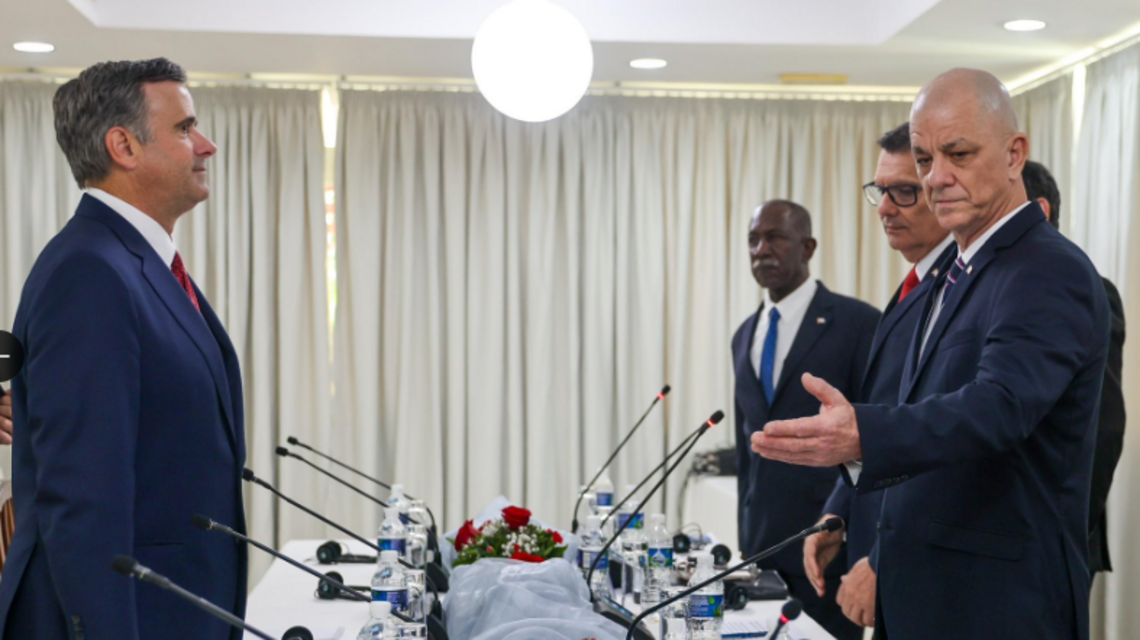
Cuba’s acceptance of U.S. assistance also comes at a sensitive moment in diplomatic relations between Washington and Havana.
Rubio has reportedly maintained informal contacts with individuals close to Cuba’s ruling establishment, while the Trump administration continues to pressure Havana for deeper economic reforms, the release of political prisoners, and broader political liberalization. Cuban officials, however, have reiterated that political concessions and leadership changes remain off the table.
At the same time, Washington has reportedly proposed measures extending beyond humanitarian relief, including major economic agreements and expanded internet access—though conditioned on meaningful structural reforms within the country.
Brickell News Analysis:
Cuba’s decision to accept U.S. assistance represents far more than a humanitarian measure—it is a reflection of the depth of the island’s economic and energy crisis. The real question now is not simply whether the aid will arrive, but whether mounting energy shortages and economic pressure will ultimately force the Cuban government to embrace reforms it has resisted for decades. As social and financial pressures intensify, Washington appears to be pursuing a strategy that blends humanitarian support, economic pragmatism, and political leverage in an effort to redefine its relationship with Havana.
El gobierno de Miguel Díaz-Canel da un giro inesperado y acepta asistencia estadounidense mientras la isla enfrenta apagones, protestas y un colapso económico cada vez más profundo.
LA HABANA — En un movimiento que refleja la creciente fragilidad económica de la isla, el gobierno de Miguel Díaz-Canel confirmó que aceptará una oferta de ayuda humanitaria de Estados Unidos por US$100 millones, una decisión que llega en medio de una crisis energética sin precedentes, apagones prolongados y una economía al borde del colapso.
La asistencia, impulsada por la administración de Donald Trump, se enfocaría en necesidades críticas como combustible, alimentos y medicamentos, según declaraciones oficiales y reportes recientes sobre el deterioro acelerado de las condiciones económicas en el país.
El secretario de Estado estadounidense, Marco Rubio, había revelado días antes que Washington ofreció el paquete de ayuda humanitaria, aunque inicialmente el gobierno cubano negó conocer la propuesta. Sin embargo, tras nuevas comunicaciones diplomáticas y presión pública, Díaz-Canel anunció que Cuba no obstaculizará la asistencia, siempre que se ajuste a estándares internacionales de ayuda humanitaria.
“Las prioridades son más que evidentes: combustible, alimentos y medicinas”, declaró el mandatario cubano en una publicación oficial, reconociendo indirectamente la gravedad de la crisis que atraviesa la isla.
Cuba se queda sin combustible
La decisión de aceptar ayuda internacional ocurre en un momento particularmente crítico para el país.
El ministro cubano de Energía, Vicente de la O Levy, reconoció públicamente esta semana una realidad alarmante: Cuba prácticamente se ha quedado sin combustible ni diésel justo cuando comienza la temporada de mayor demanda energética.
“No tenemos absolutamente nada de combustible, no tenemos absolutamente nada de diésel”, afirmó el funcionario durante una aparición en televisión estatal, generando preocupación sobre la posibilidad de apagones masivos y nuevas interrupciones en el transporte y la actividad económica.
La situación detonó protestas espontáneas en varios sectores de La Habana después de que algunos barrios permanecieran sin electricidad durante hasta 48 horas consecutivas.
El colapso de un modelo energético
La crisis no responde únicamente a una escasez coyuntural. Expertos sostienen que el sistema eléctrico cubano arrastra décadas de falta de mantenimiento, infraestructura obsoleta y una limitada capacidad de generación.
La situación se agravó aún más tras la interrupción de suministros petroleros clave. Venezuela redujo drásticamente sus envíos de petróleo a Cuba luego de cambios geopolíticos recientes, mientras México suspendió exportaciones energéticas tras nuevas medidas comerciales impulsadas por Washington.
Según especialistas energéticos, si la isla no logra asegurar combustible rápidamente, el país podría enfrentar un apagón nacional de gran escala durante los próximos meses.
Diplomacia, presión y reformas pendientes
La aceptación de la ayuda también ocurre en un contexto de negociaciones discretas entre Washington y La Habana.
Rubio ha mantenido contactos informales con sectores cercanos al poder cubano, mientras la administración Trump presiona por reformas económicas más profundas, la liberación de presos políticos y una mayor apertura política y económica. Sin embargo, funcionarios cubanos han reiterado que no están dispuestos a realizar concesiones políticas ni discutir un cambio de liderazgo.
Al mismo tiempo, Washington ha puesto sobre la mesa propuestas que van más allá de la ayuda humanitaria, incluyendo acuerdos económicos significativos y acceso a internet gratuito, aunque condicionados a transformaciones estructurales dentro del país.
Brickell News Analysis:
La decisión de Cuba de aceptar ayuda estadounidense representa mucho más que una medida humanitaria: es una señal de la profundidad de la crisis económica y energética que enfrenta la isla. El verdadero interrogante ahora no es solo si la ayuda llegará, sino si el colapso energético obligará finalmente al régimen cubano a aceptar reformas que durante décadas ha evitado. En un contexto de creciente presión económica y social, Washington parece apostar por una combinación de asistencia, pragmatismo y presión política para redefinir su relación con La Habana.

.png)